
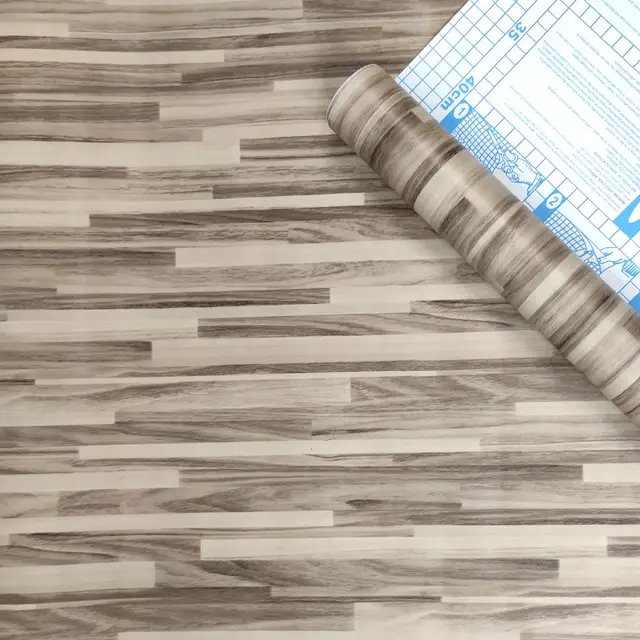
Choosing decorative film for furniture is an important step in updating your interior without renovating. The right coating not only gives your furniture a stylish look, but also protects it from moisture, scratches and ageing. In this article, we will take a detailed look at how to choose the right film, what types are available and what to look for when buying.
What is decorative film and why is it needed?
Decorative film is a thin but durable material with an adhesive backing designed for finishing furniture and surfaces. It helps to quickly update your interior, mask defects and add style without spending a lot of money.
Advantages of decorative film:
- Protects furniture from moisture and mechanical damage;
- Easy to apply and remove;
- Offers hundreds of textures, colours and finishes;
- A cost-effective solution compared to replacing furniture.
The main types of decorative films for furniture — how to choose the right one
Vinyl decorative film
The most popular type. Durable, moisture-resistant and suitable for any surface — from countertops to cabinet fronts. Vinyl film is easy to clean and does not fade in the sun.
PVC film
It is distinguished by its durability and high resistance to temperatures. It is often used for kitchens, bathrooms, or office spaces.
Self-adhesive film
Ideal for DIY application. No special tools or glue required — simply remove the protective layer and apply carefully.
How to consider furniture material when choosing film
The choice largely depends on what the furniture is made of:
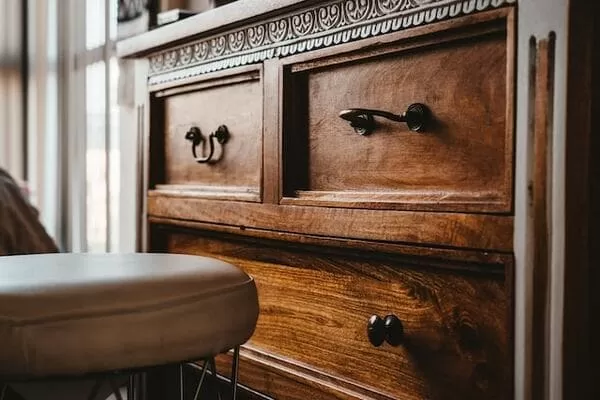
- Wood and veneer: it is preferable to use dense, textured films.
- MDF and chipboard: any film with a good adhesive layer will do.
- Plastic and metal: choose flexible options that are resistant to temperature fluctuations.
Matte, glossy or textured — which is better?
- Matte film — creates a soft, modern effect and does not leave fingerprints.
- Glossy film — visually enlarges the space, but requires careful maintenance.
- Textured — imitates wood, leather or stone, adding cosiness and character.
Colour and design: how to choose the right one for your interior
The colour palette plays a key role in the perception of space:
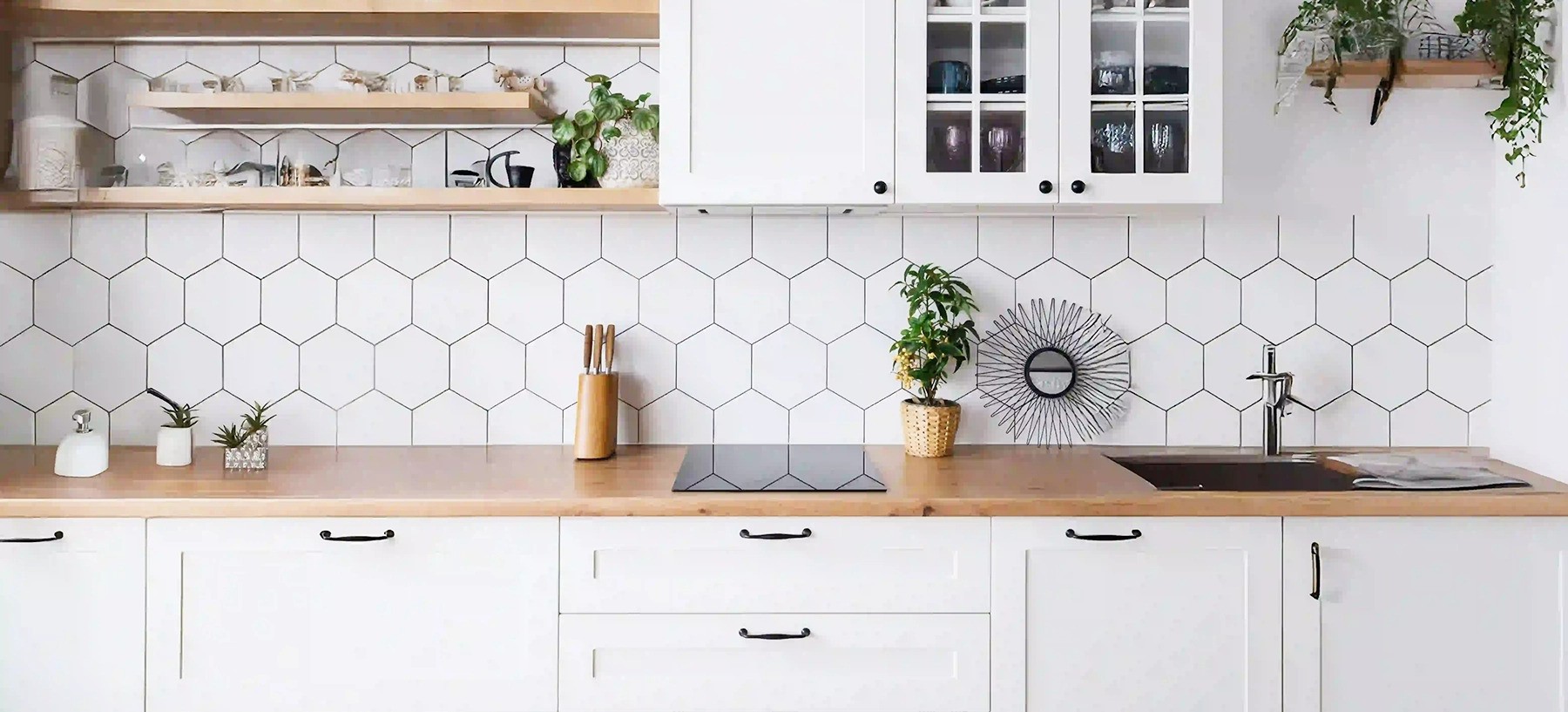
- Light colours are for small rooms.
- Dark and contrasting — for accent areas.
- Wood-effect films — for a classic style.
- Metallic and plain colours — for modern minimalism.
💡 Tip: Create contrast between furniture and walls to make the interior look harmonious.
How to determine the quality of decorative film
- Check the thickness. The optimum thickness is 100–200 micrometres.
- Look at the adhesive layer. It should be even, without bubbles.
- Smell the material. A strong chemical odour is a sign of cheap glue.
- Choose proven manufacturers (3M, LLumar, Solar Screen, and others).
Resistance to moisture, heat and sunlight
If the furniture is in the kitchen or bathroom, choose moisture-resistant and heat-resistant films.
For sunny rooms, materials with UV protection are suitable to prevent fading over time.
Where to order high-quality furniture film in Estonia
If you live in Estonia and want to renovate your furniture without replacing it, we recommend the service Renovation of furniture and interior items with film in Estonia.
Professional craftsmen will help you choose the right covering and apply it neatly without creases or bubbles. This solution saves time and money and guarantees results.
Common mistakes when choosing film
- Buying material that is too thin will wear out quickly.
- Ignoring the characteristics of furniture surfaces.
- Cheap film without a guarantee often peels off.
- The wrong choice of colour disrupts the balance of the interior.
FAQ — answers to frequently asked questions
-
Can the same film be used for the kitchen and bedroom?
Yes, but for the kitchen, choose moisture-resistant and heat-resistant models.
-
Is the film suitable for worktops?
Yes, if it is a reinforced film with increased abrasion resistance.
-
How long will decorative film last?
High-quality coatings — from 5 to 10 years.
-
Can I apply the film myself?
Yes, especially if it is self-adhesive film. The main thing is to clean the surface thoroughly.
-
How to care for furniture with film?
Use a soft cloth and non-aggressive cleaning agents without alcohol or abrasives.


