
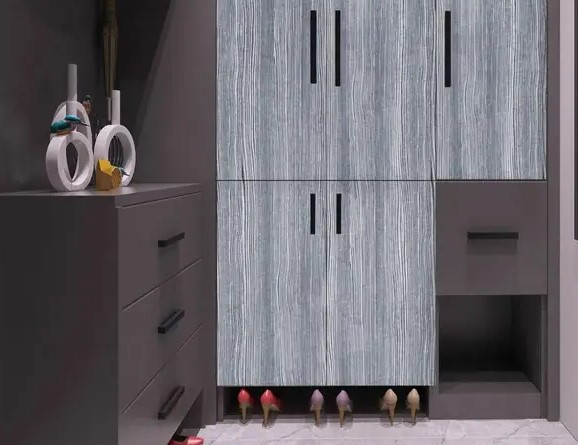
Furniture wrapping or painting is an important issue that apartment and office owners face when planning cosmetic repairs. Both methods allow you to radically change the appearance of an old wardrobe, table or kitchen set, but they have fundamental differences in technology, durability and cost.
In today’s Estonian market, where speed and cleanliness are valued, covering furniture with film is increasingly winning out over traditional painting due to the absence of odour, dust and the need for lengthy drying times.
In this article, we will conduct a detailed expert comparison so that you can decide which update method is right for you.
Fair comparison: key differences between methods
Instead of cumbersome comparisons, let’s examine the main aspects of restoration through the prism of practical experience.
1. Cleanliness and working conditions
Painting requires perfect cleanliness. Even the smallest speck of dust settling on fresh enamel will be noticeable. In addition, working with paints and varnishes always involves strong odours that can linger in the flat for several days. Vinyl flooring is applied using a “dry” method: no construction debris, toxic fumes, or need to leave the premises during repairs.
2. Labour costs and preparation
For high-quality painting, the surface must be sanded, primed and filled for a long time. The self-adhesive solution only requires thorough degreasing and levelling of deep defects. This reduces restoration time by 2–3 times.
3. Aesthetics and texture selection
Paint only provides colour and a certain degree of gloss (matte or glossy). Modern interior vinyl can do much more: it imitates the deep texture of wood, cold stone, polished metal or even tactile leather. It is simply impossible to achieve this effect with a brush or roller.
4. Reversibility of changes
This is an important point for those who live in rented accommodation or like to change their interior design frequently. The decorative layer can be removed at any time without damaging the factory finish of the façade. Paint, on the other hand, changes an item permanently — it is virtually impossible to restore furniture to its original appearance after painting.
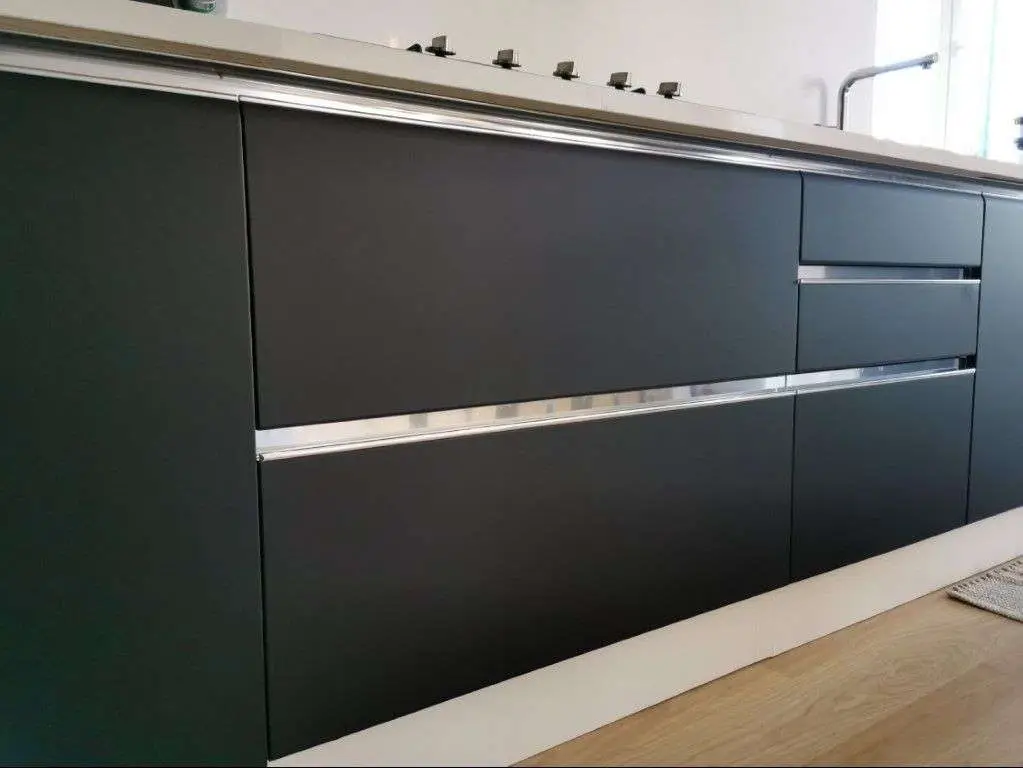
Professional interior renovation
If you value your time and want predictable results without a “DIY effect,” it is worth delegating this task to professionals.
Professional renovating furniture items with film ensures that corners are finished seamlessly and that no air bubbles remain under the surface. This is particularly important for complex areas such as kitchen units or bathroom furniture.
When should you choose vinyl flooring?
- If you live in the flat during the renovation:
You will be able to use the room immediately after the work is completed. - If the furniture is made of laminated chipboard or MDF:
These materials have excellent adhesion to polymer coatings, but paint may not adhere evenly to them. - If you need quick results:
You can update your dining table or sideboard in just a couple of hours, and a full kitchen set over the weekend. - For surface protection:
The material acts as a protective shield, protecting furniture from moisture, grease and minor household scratches.
Frequently Asked Questions (FAQ)
-
Which is cheaper: painting furniture or covering it with wallpaper?
Considering the cost of high-quality enamel, primer, brushes, and protective equipment, as well as the time involved, wallpapering is often more cost-effective. In addition, the risk of damaging the item when working with vinyl is much lower.
-
Can this method be used on furniture with uneven surfaces?
The material adheres perfectly to flat surfaces. If there are deep chips in the furniture, they must be filled in beforehand. Textured vinyl perfectly masks small scratches.
-
How long will such repairs last?
When installed correctly and properly maintained, the coating will last from 5 to 10 years, retaining its colour brightness and structural integrity.
-
How to care for the renovated surface?
No special cleaning products are required. Simply wipe the furniture with a damp microfibre cloth. The material is resistant to most household stains.


