
When choosing a sun protection solution, a common question arises: why does the fitter insist on installing the film on the outside, even though it is easier and cheaper to do so on the inside? The answer — in the physics of modern double-glazed windows.
Let’s take a look at the difference and why there is only one right choice when it comes to energy-efficient windows.
What is thermal shock, and what does cling film have to do with it?
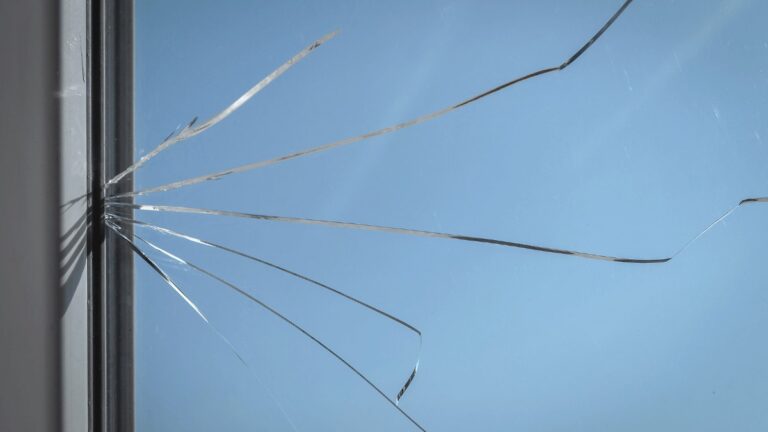
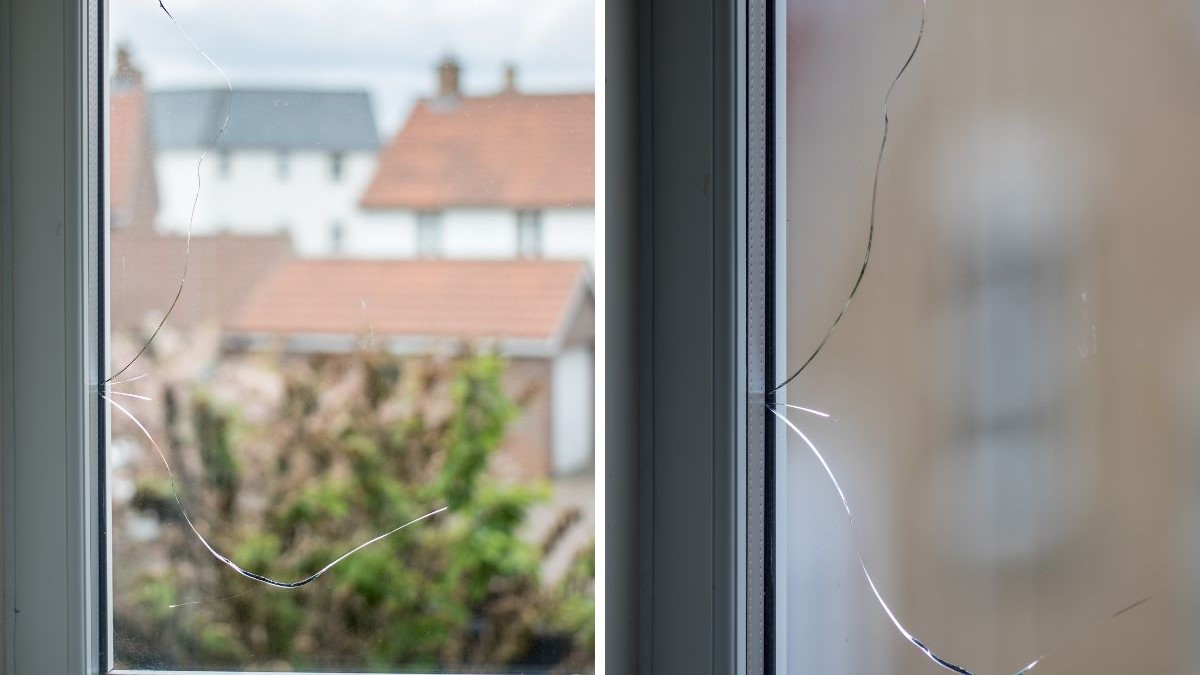
Thermal shock — it is the spontaneous breakage of glass caused by uneven heating. If the centre of the double-glazed unit becomes very hot whilst the edges (which are held within the frame) remain cold, excessive stress builds up in the glass.
Почему это важно в 2026 году?
Most modern homes in Estonia are fitted with Low-E glass (energy-saving glass). Inside the glass is an invisible layer of metal that reflects heat back into the room, so you don’t waste money on heating in winter.
If you apply a dark film to this type of glass from the inside:
- The film absorbs the sun’s heat.
- Heat passes through the glass but is blocked by the Low-E coating.
- The energy is effectively ‘trapped’ inside the double-glazed unit.
- The temperature of the glass rises sharply, which creates a risk of thermal shock.
That is precisely why professional installation of window film always begins with an assessment: we use electronic detectors to identify the type of glazing you have and select a safe installation method.
Outer film: staying one step ahead
Exterior film is the industry standard for modern buildings. It is installed on the street-facing side.
- How it works:
Sunlight is reflected before it even enters the double-glazed unit. The glass itself hardly heats up at all. - Advantages:
- Maximum efficiency: Reflects up to 85% of thermal energy.
- Safety: Zero risk of the glass overheating, regardless of the type of window you have.
- Comfort: The most effective way to combat the heat in ‘passive’ homes and offices with large windows.
- Features:
These films feature a special protective layer (Hard Coat) that is resistant to rain, dust and temperature fluctuations in our Baltic climate.
Inner film: when is it appropriate?
In-house installation remains a viable and sought-after option in certain situations:
- Standard double-glazed units:
If you have standard glass without an energy-saving coating (older buildings, utility rooms). - Vandal-proof protection:
Reinforcing films are almost always applied from the inside to contain any shards in the event of an impact. - Difficult access:
If the windows are at a great height and it is not possible to use a cherry picker or rope access specialists for external work. - Budget:
Interior films last longer (as they are not exposed to the elements) and are cheaper.
Comparison: a brief summary
| Characteristics | Outer film | Inner film |
| Effectiveness | Maximum (reflects heat from outside) | Medium (double-glazed unit heats up) |
| Risk of thermal shock | Absent | Present (on tinted windows) |
| Service life | 5–10 years (depending on the climate) | 10–15+ years |
| Price | See above (installation complexity and composition) | Below |
How can you avoid making a mistake?
There’s no need to try and identify the type of glass by eye. At aknakile24, we use special detectors to identify Low-E coatings.
Our algorithm is simple:
- Checking the type of double-glazed unit.
- We assess the orientation of the windows (how intense the sun is).
- We offer a solution that will keep your home as cool as possible without putting your windows at risk.
If your home was built or renovated after 2015, an outdoor installation is most likely the option recommended for you. It’s an investment that pays for itself in comfort from the very first hot day.
👉 Need a window inspection? Submit a request
A comprehensive approach to window protection
Choosing between outdoor and indoor installation isn’t the only important consideration. If your aim is not only to beat the heat but also to protect your home from unauthorised entry, we recommend reading our guide to security film protection classes (A1, A2, A3).
And for those who want to assess the financial side of things, we have put together a calculation showing how a sunshade can help you save on your electricity bills during the summer months.
FAQ: Answers to technical questions
-
How can I tell if my windows have a Low-E coating?
It’s almost impossible to tell just by looking. We use special equipment, but there’s a ‘folk’ method: hold a lighter up to the window. If one of the flames in the reflection has a different hue — usually pink or purple—there’s a coating.
-
Does the outer film provide 100% protection against thermal shock?
Yes. As the heat is generated on the outside and does not transfer into the double-glazed unit, there is no significant temperature difference.
-
Will the outer film peel off after a year due to snow or rain?
No. Modern exterior films are designed to withstand harsh environments. With proper care and professional installation, they retain their properties for 7–10 years.
-
Can the film be installed in winter?
Outdoor installation is recommended at temperatures above +5°C. Indoor installation can be carried out all year round, as the temperature indoors remains stable.


